Awaken the Power of Restorative Practices
When disruptions occur in relationships – whether it’s racial injustice, crime, boundary violations, or causing harm to others – it can be difficult to find meaningful solutions that honor everyone involved. Current approaches can often leave everyone feeling unheard or marginalized, and the healing process is often neglected.
This lack of restorative justice practices perpetuates cycles of harm and fails to address the underlying causes of these disruptions, leading to unresolved conflict and ongoing tension within communities.
Restorative Justice Project Maine offers a different approach. We invite you to explore a worldview centered around being in “right relationship” with one another and everything around us. Through our programs and resources, we facilitate spaces for dialogue, healing, and decision-making that are grounded in restorative wisdom, honoring indigenous and native teachings. By embracing this restorative mindset, we can collectively work towards healing, growth, and building stronger communities.

Unraveling the Essence of Restorative Practices
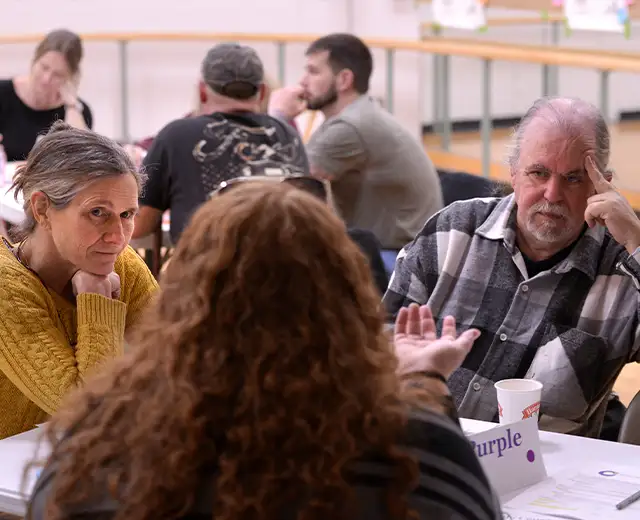
Restorative justice is often perceived as bringing together those impacted by an event to decide how to proceed. However, it extends beyond this: it’s about creating spaces for people to heal and build relationships. It addresses disruptions in relationships caused by actions such as racial injustice, crime, boundary violations, and thoughtless behaviors that lead to negative outcomes for others.
At RJP Maine, it’s also core to our values to honor the wisdom of indigenous and native communities ingrained in these practices. Our approach isn’t about appropriating these practices, but rather learning from them, honoring them, and applying their teachings in our programs.

Continuing Education Training
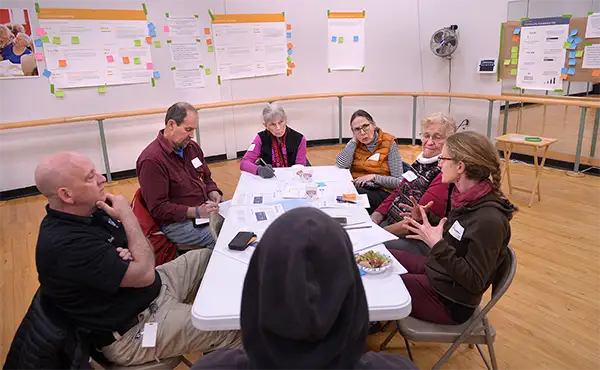
The Foundations of Restorative Practices program, delivered through the University of Maine’s Cooperative Extension, is designed to help individuals navigate conflicts and build stronger, healthier communities. During six days spread across four months, participants engage in discussions, exercises, and practical activities that deepen their understanding of restorative practices.
The Foundations program shifts thinking from merely showing up to actively inviting everyone’s input, and effectively communicating with people. It equips individuals with non-adversarial problem-solving tools, helping them create safer and more equitable environments.
Rooted in indigenous peacemaking traditions, the program emphasizes respect for these roots and encourages participants to not only learn, but embody restorative practices in their everyday lives and work.
Volunteer Training
Our Volunteer Training program offers a comprehensive exploration of both restorative practices and harm repair. By equipping new volunteers with the skills and knowledge to effectively support individuals seeking harm repair, you’ll be prepared to work with restorative practices. This involves understanding and empathizing with those involved, guiding them through reflective processes, facilitating supportive community gatherings, and leading restorative dialogues.
Spanning 6-8 sessions, each training focuses on different aspects of restorative practices and harm repair processes— including one-on-one conversations, restorative reflection, support circles, and more. Guided by experienced staff members, volunteers learn to facilitate rather than fix, embodying the principles of restorative practices in their interactions.
Upon completion, volunteers become mentors and facilitators, supporting others on their journey towards healing and restoration.
School Training
This transformative School Training Program is designed to equip educators with the skills and knowledge required to implement restorative practices in their schools. By fostering understanding, empathy, and growth among students and staff, this program aims to change not only policies and responses, but also build a positive culture that influences generations.
What’s more: RJP Maine provides ongoing support and coaching for up to three years, helping educators navigate the unique challenges of implementing restorative justice practices in schools. The training includes breakout groups for peer support and implementational coaching to ensure the smooth application of restorative practices.
In order to be effective, it’s imperative that school personnel make the time commitment needed to change the school culture. Failure to do so will affect the degree of success to bring about positive change. By adopting restorative practices, educators can create a learning environment conducive to growth and positively influence the lives of students.
Organizational/Institutional Support & Training
Our Organizational/Institutional Support & Training program is specifically designed for professionals in social service and healthcare sectors. The training aims to provide necessary support and education, meeting continuing education requirements while enhancing professionals’ skills in restorative practices.
Customized to suit specific professional contexts, the training offers foundational content that remains consistent across all sectors, including two core training programs: Foundations in Restorative Practices and Harm Repair.
Foundations in Restorative Practices provides a comprehensive understanding of restorative principles and skills necessary to facilitate restorative processes. The Harm Repair program focuses on the unique needs of individuals seeking harm repair, providing tools to create approachable, inclusive spaces for healing. These programs empower professionals to foster stronger, healthier relationships in their fields, promoting understanding, repair, and growth.
Our Three Core Training Series
We offer three training programs that cater to various needs:
- Foundations in Restorative Practices: This foundational series offers experiential learning opportunities, with a set of pre-recorded sessions and written reflections to enhance understanding.
- Responding to Racial Harm Using Restorative Practices: This series focuses on racial equity work, providing resources to counteract microaggressions and address racially-based harm.
- Harm Repair: This program is designed for volunteers, educators, and organizations who wish to learn about harm repair. (Please note: completion of the Foundations training is a prerequisite for this program.)
Join Us at RJP Maine
Our training programs aren’t just about imparting knowledge; they’re about sparking conversations, sharing ideas, learning together and awakening a sense of community. We invite you to join us on this journey toward understanding, healing, and growth. Together, we can make a difference.